
Promising Future Of Biophilic Design
Biophilia is an innovative methodology that icorporates natural elements into modern spaces.
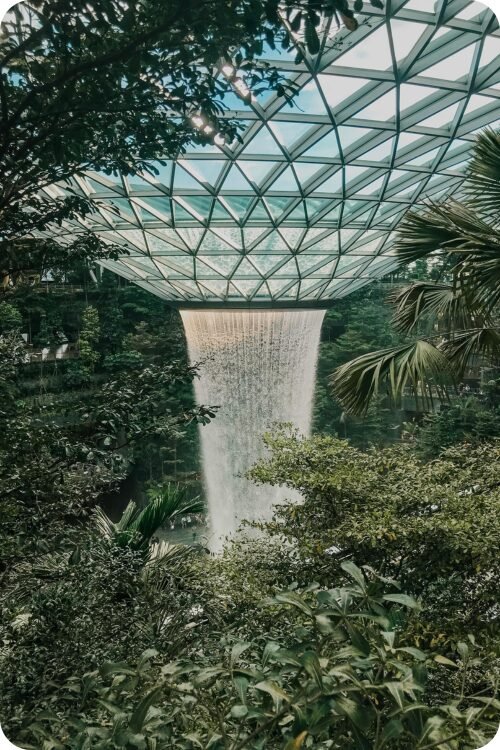
Having evolved in natural enviroments, we have an innate connection to nature and are biologically dependant on it. But today, an average person spends about 90% of their time inside.
Something as simple as exposure to nature has beeen proven by numerous studies to speed up the healing process, reduce anxiety, improve mood and boost productivity.
- What if you could experience the benefits of going out into a forest while being indoors? That’s the purpouse of biophilic design. To create spaces that benefit human health and natural enviroment at the same time.
Cities of the future
Biophilic design plays a big role in the future of green cities. As we keep expanding urban enviroments, morphing nature and the cityscape becomes top priority.
But applying biophilia to existing design concepts in reality is a big challenge. Finding ways to incorporate biology into physical buildings requires innovation and planning.
Aside from improving our lives, biophilia simultaneoustly supports sustainability, climate resilience and maintanance of biodiversity.
It’s a great way of improving air quality and humidity levels even in small spaces. It also involves creating sustainable, biogradable materials to eventually replace synthetic ones.
Elements of biophilic design
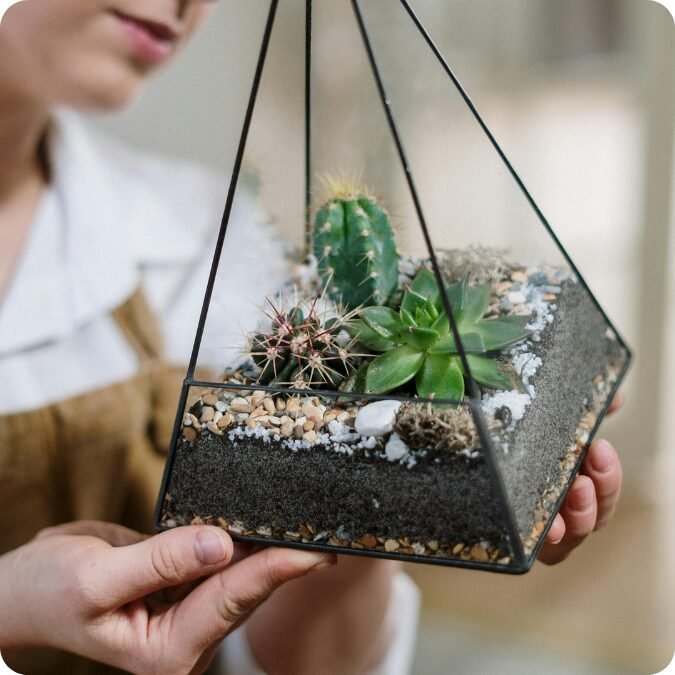
Plants
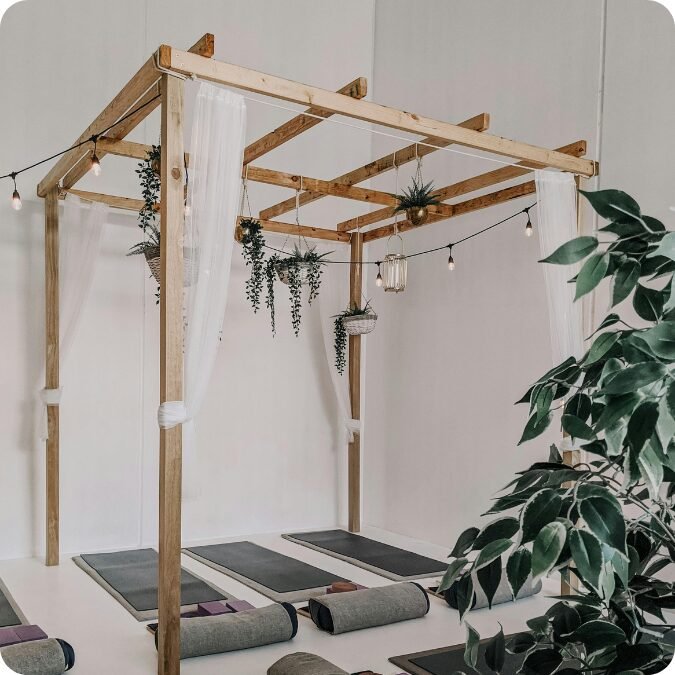
Plants are an important feature of biophilic design. They can improve air quality and remove pollutants, which can help with allergies.
Houseplants also increase humidity levels. During winter, higher humidity prevents dry skin, dry cough and colds. While some projects stick to potted plants, integrating greenery into spaces can be done in a variety of ways.
Flowing Water
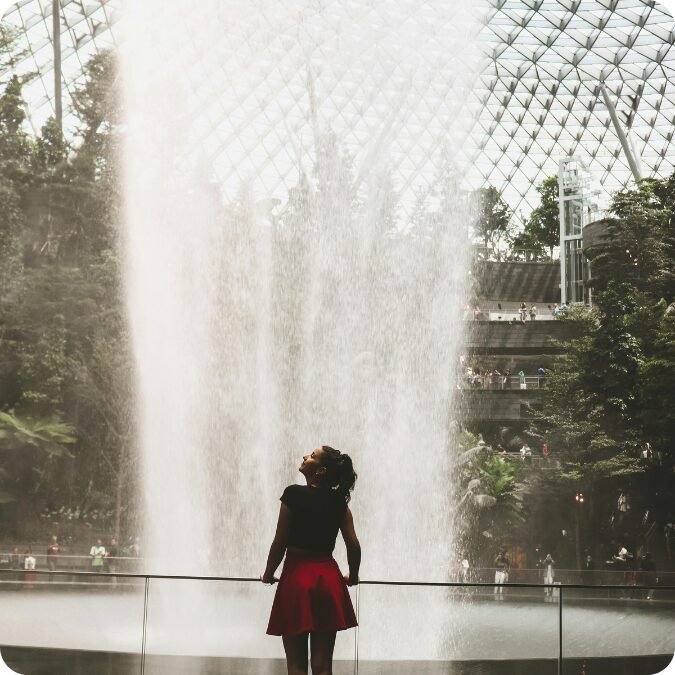
Flowing water adds to the calming atmosphere and was famously used in the Singapore airport.
Inside it flows the largest indoor waterfall called “The Rain Vortex”, along with more than 500,000 indoor trees. Singapore itself is a true garden city, bringing nature into dense urban enviroment.
Sustainable Materials
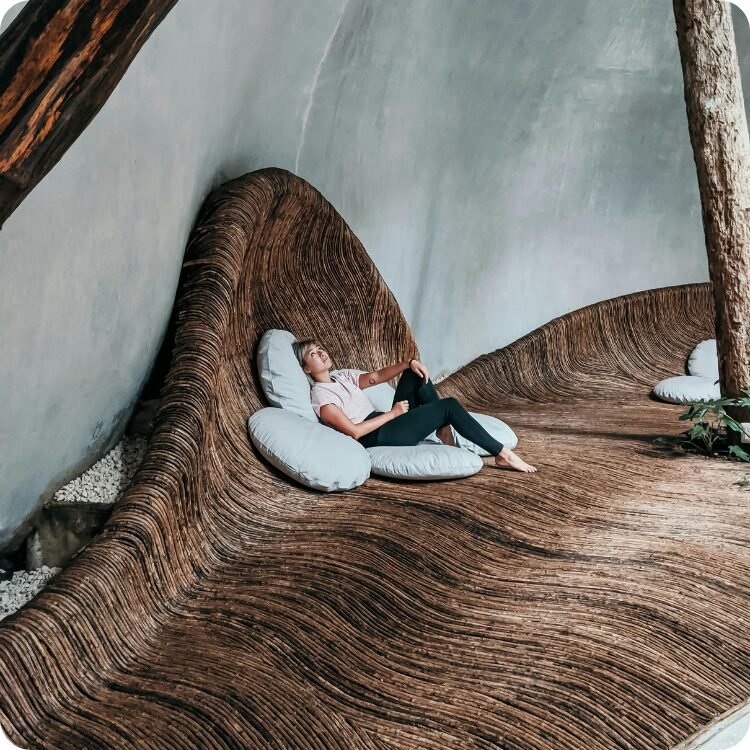
People are naturally drawn to natural materials over manmade ones. They enhance and deepen the effects of enviromental features.
Opposed to synthetic materials they are enviromentally friendly and biogradable. They exude warmth and it’s furnishings can last for generations.
Inside-Out Spaces
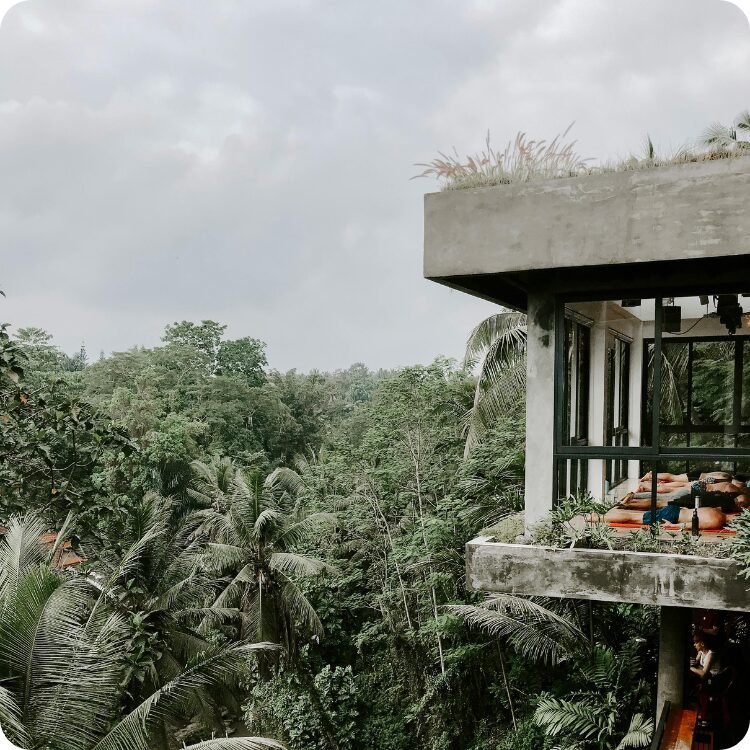
Outside-in spaces connnect indoors with their exteriors, they are a popular feature in biophilic homes. It’s where inside and outside flow into each other.
These moments of transition offer an experience of natural sounds, air, life and sunlight. All combined with the comfort and privacy of an interior space.
Natural Shapes
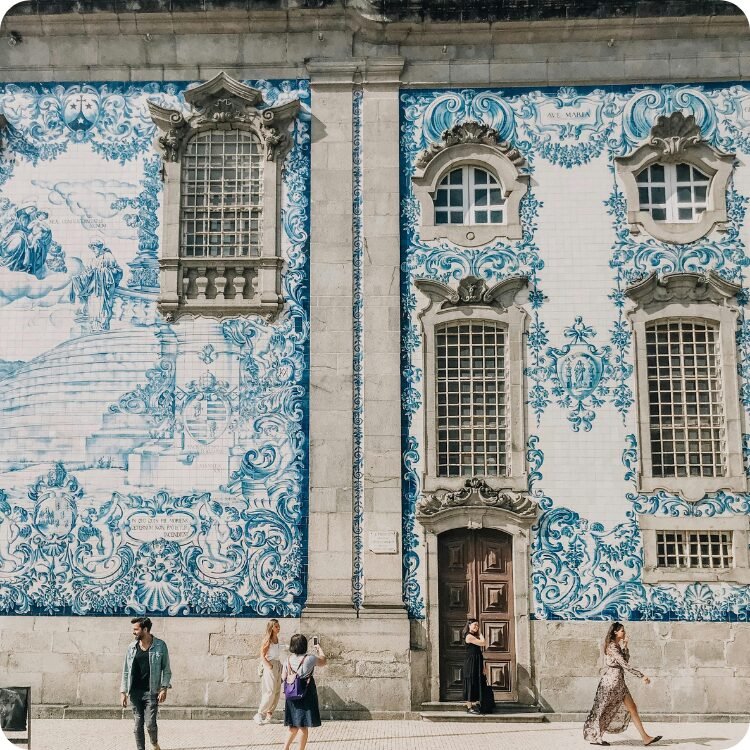
In biophilia, design often represents living forms that surround the buildings. This can include mimicking organic structures, taking into account landscape color palletes or replicating local geology features.
Interiors resemble their surroundings and humans identify it with exterior enviroments.
Openness
Bigger and brighter rooms tend to improve mood and productivity and resemble natural enviroments, In design, there are ways to make smaller spaces feel open and breathable. The affect of openness can be achieved through tall ceillings and compromised walls that help create one open space instead of multiple closed ones.
Resources
No wonder that this fairly new concept that is growing increasingly popular in architecture. It’s features can be scaled for all kinds of projects. They are used both in interior and exterior design and even in planning of entire cities. If you want to transform your home with biophilic design, you can take a look at these 15 ideas we have chosen for you to apply every element.
If you’re interested in the potencial biophilia has in helping the planet, you should read; Biophilia as a Virtue: The Benefits of Reestablishing our Human Bond with the Natural World – Animals & Society Institute
